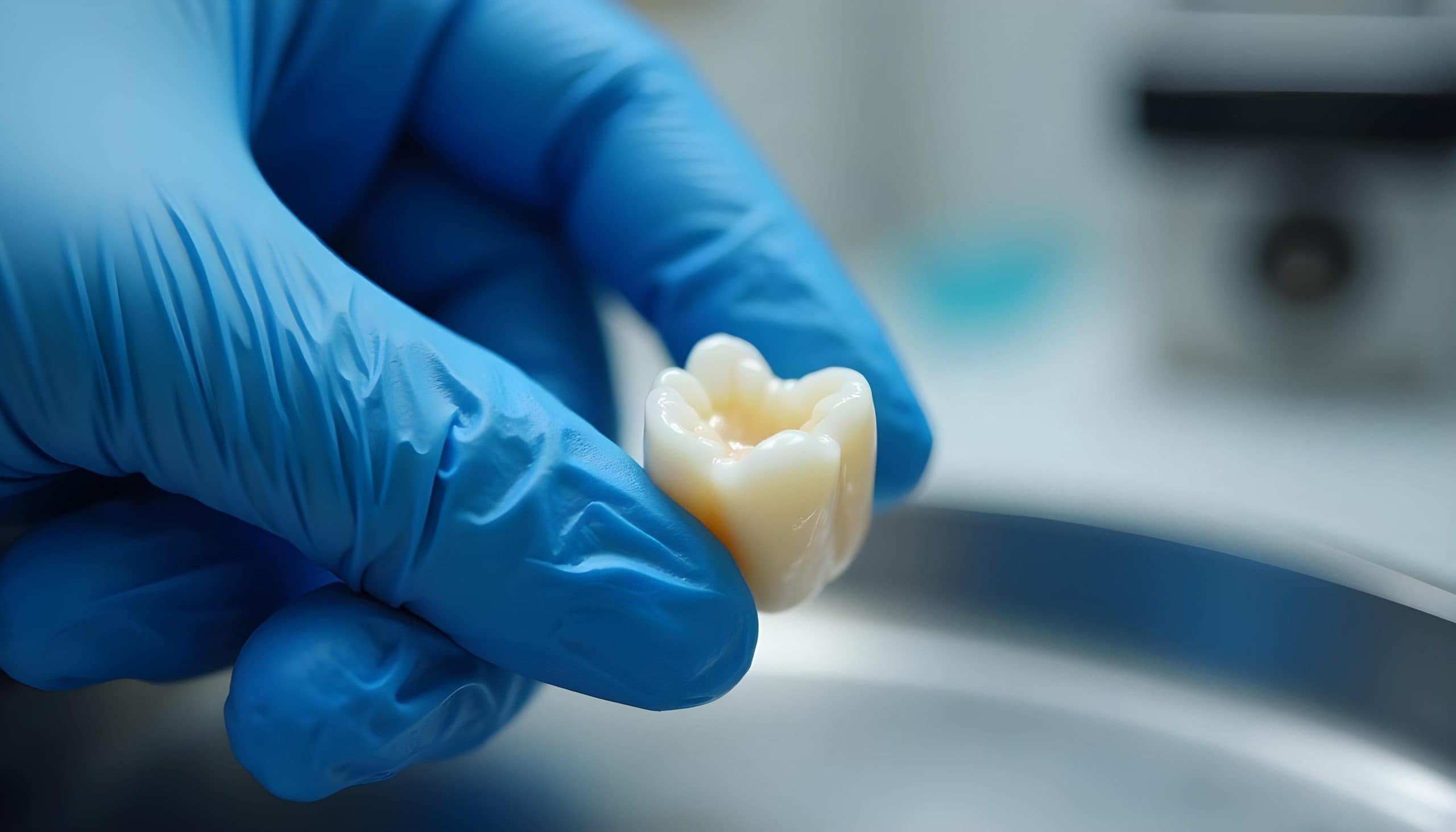
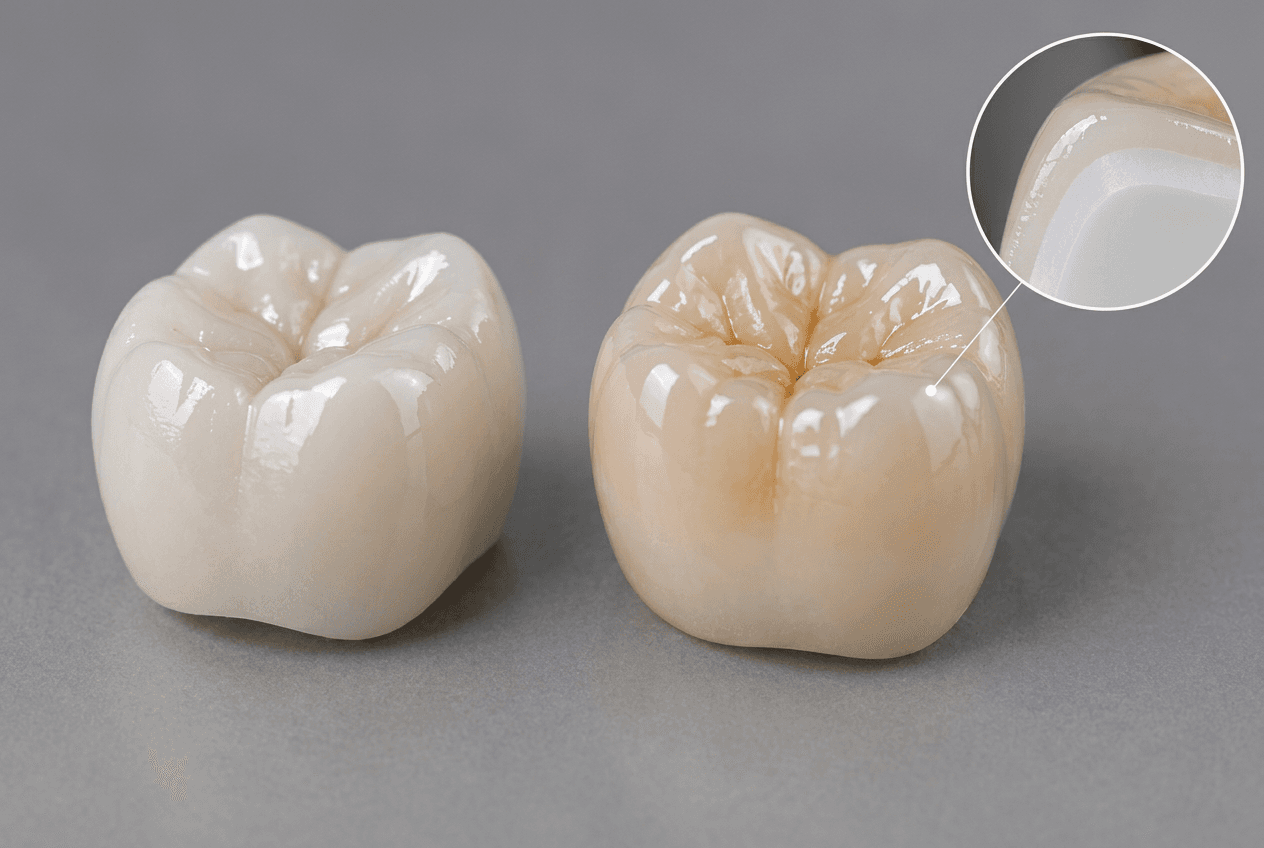
Same-day crowns are designed and fabricated in the dental practice for placement during a single visit when the case and equipment allow. Lab-made crowns are fabricated by a dental laboratory and usually require a separate delivery appointment. The choice depends on the restoration’s material, esthetic demands, clinical complexity, and the team’s capabilities—not simply how quickly it is made.
Key Takeaways
Same-day crowns can eliminate a separate delivery visit and temporary crown phase when treatment is completed as planned.
Crown quality depends on preparation, scanning, design, material processing, finishing, and cementation in either workflow.
Chairside teams can stain, glaze, and polish restorations; laboratory support can add dedicated expertise for demanding characterization and complex cases.
Speed sintering requires an approved combination of material, furnace, and program. A shorter cycle does not automatically mean a weaker crown.
Compare total practice costs and case requirements before deciding which crowns to produce in-house and which to send to a laboratory.
Can you do it today?” For a patient balancing work, travel, and dental appointments, completing a crown in one visit can be a meaningful benefit. For the practice, however, that convenience depends on having the right case, equipment, materials, and trained team. Comparing same-day crowns with lab-made crowns starts with the clinical requirements. A straightforward restoration may fit an efficient chairside workflow, while a demanding shade match or a complex restorative plan may benefit from laboratory collaboration. The goal is to choose a process that can reliably deliver the required fit, function, and appearance.
How Same-Day Crowns Are Made
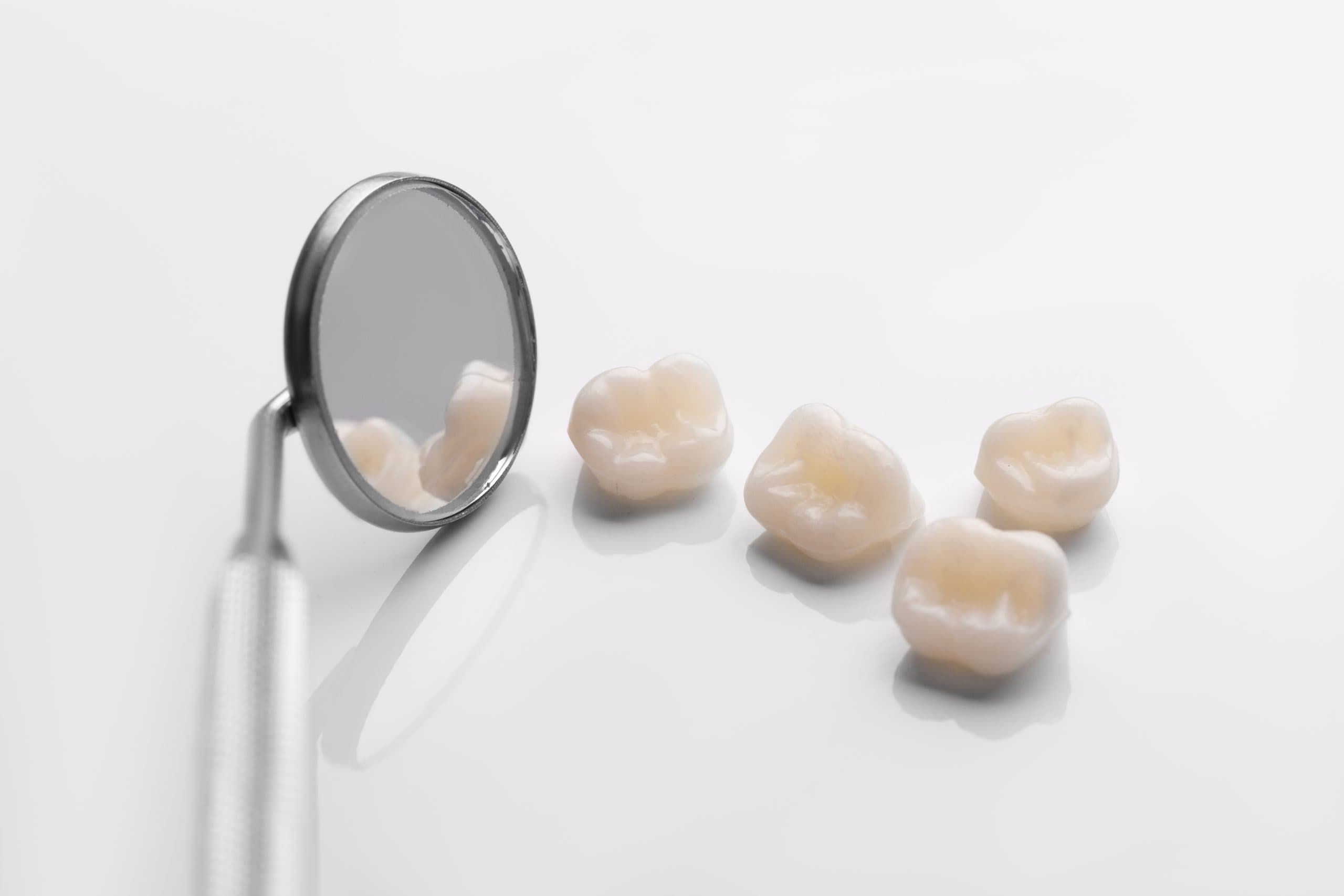
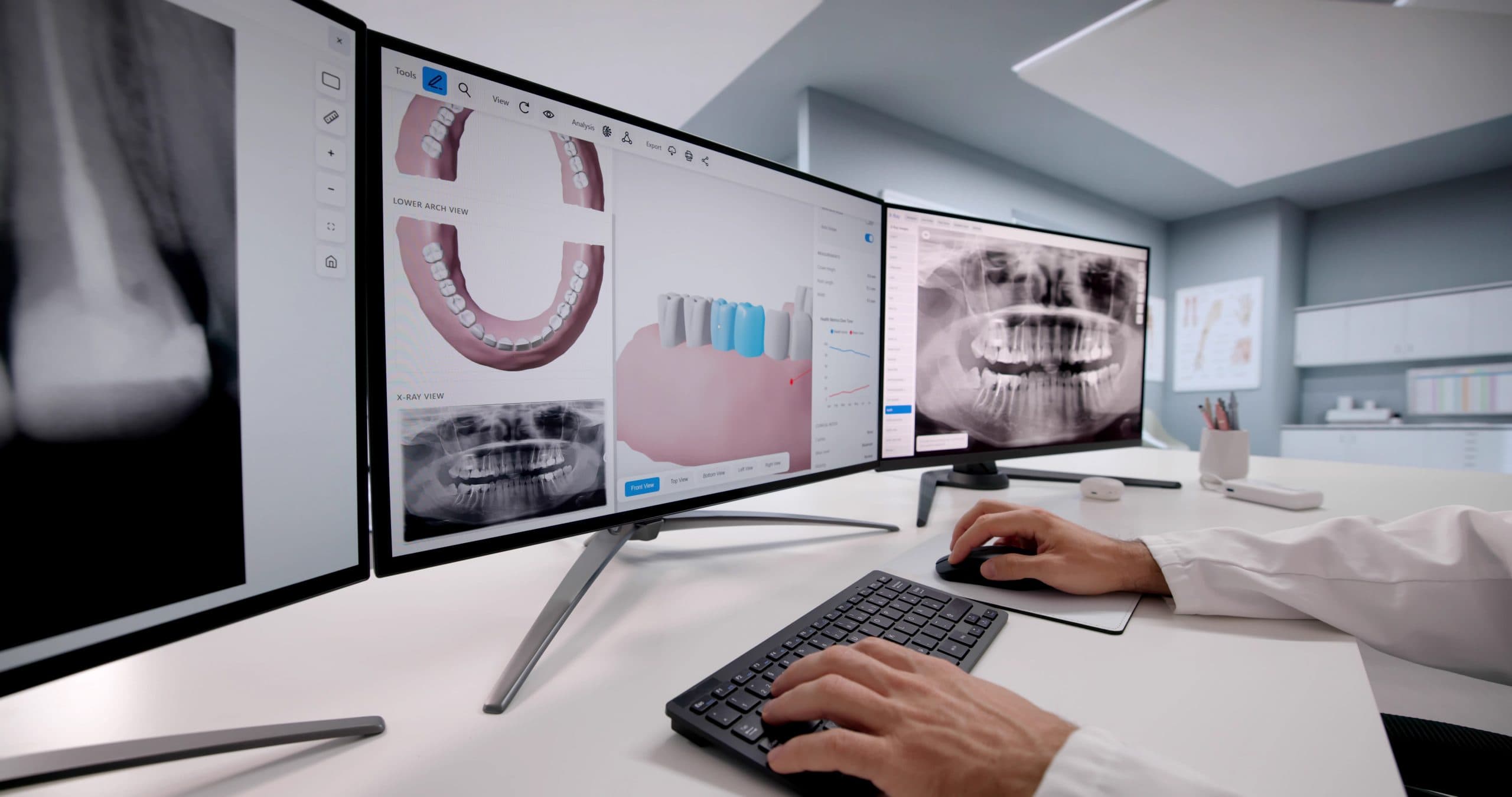
The chairside workflow begins with tooth preparation and an intraoral scan. The clinician or trained team member reviews the margins, designs the restoration, and checks contacts, occlusion, and material thickness before milling. Software supports these decisions, but its proposals still require clinical review.
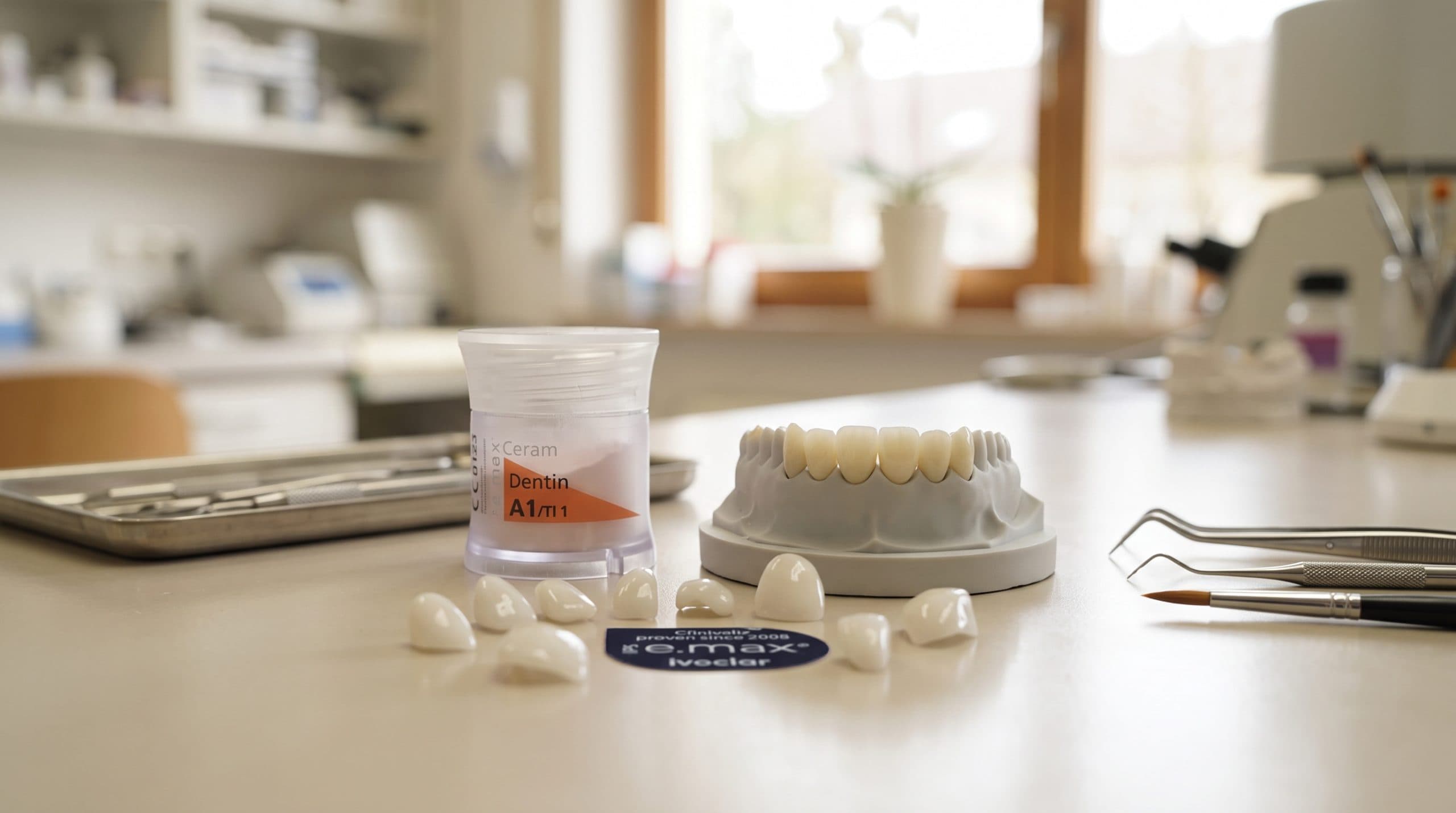
Processing depends on the material. Lithium disilicate products such as IPS e.max CAD require crystallization, while many chairside zirconia blocks require sintering. Firing times and whether characterization can be combined with a processing cycle depend on the product, furnace, and approved protocol.
The restoration is then finished, evaluated clinically, and cemented or bonded using the appropriate protocol. Chairside teams can polish, stain, and glaze crowns; the available skill and appointment time influence how much individual characterization is practical. Appointment length varies with the case, equipment, and any adjustments or remilling required.
Does Speed Sintering Affect Crown Strength?
Speed sintering is a material-specific manufacturing process, not a universal shortcut. The block, restoration design, furnace, and firing program must be approved for use together. The compatible materials for CEREC SpeedFire illustrate why compatibility must be checked at the product and system level.
Products such as IPS e.max ZirCAD Prime blocks have manufacturer-specified speed-sintering workflows. Their availability does not mean every zirconia block can use the same schedule. Follow the current instructions for the selected material rather than assuming that all rapid cycles reduce strength or that all zirconia products can be processed interchangeably.
When Same-Day Crowns Fit the Workflow
Suitable single-unit cases: Clearly captured margins, manageable occlusion, and a restoration within the selected material’s indications.
Patients with scheduling constraints: One-visit completion can reduce travel and time away from work.
Avoiding a temporary crown phase: When definitive placement is completed during the visit, there is no interim provisional to maintain.
Time-sensitive treatment: Selected cases may be completed promptly when diagnosis, preparation, fabrication, and clinical checks can all be completed safely.
Practices with an established chairside team: Trained staff and consistent quality checks help make the workflow predictable.
When Laboratory Collaboration Adds Value
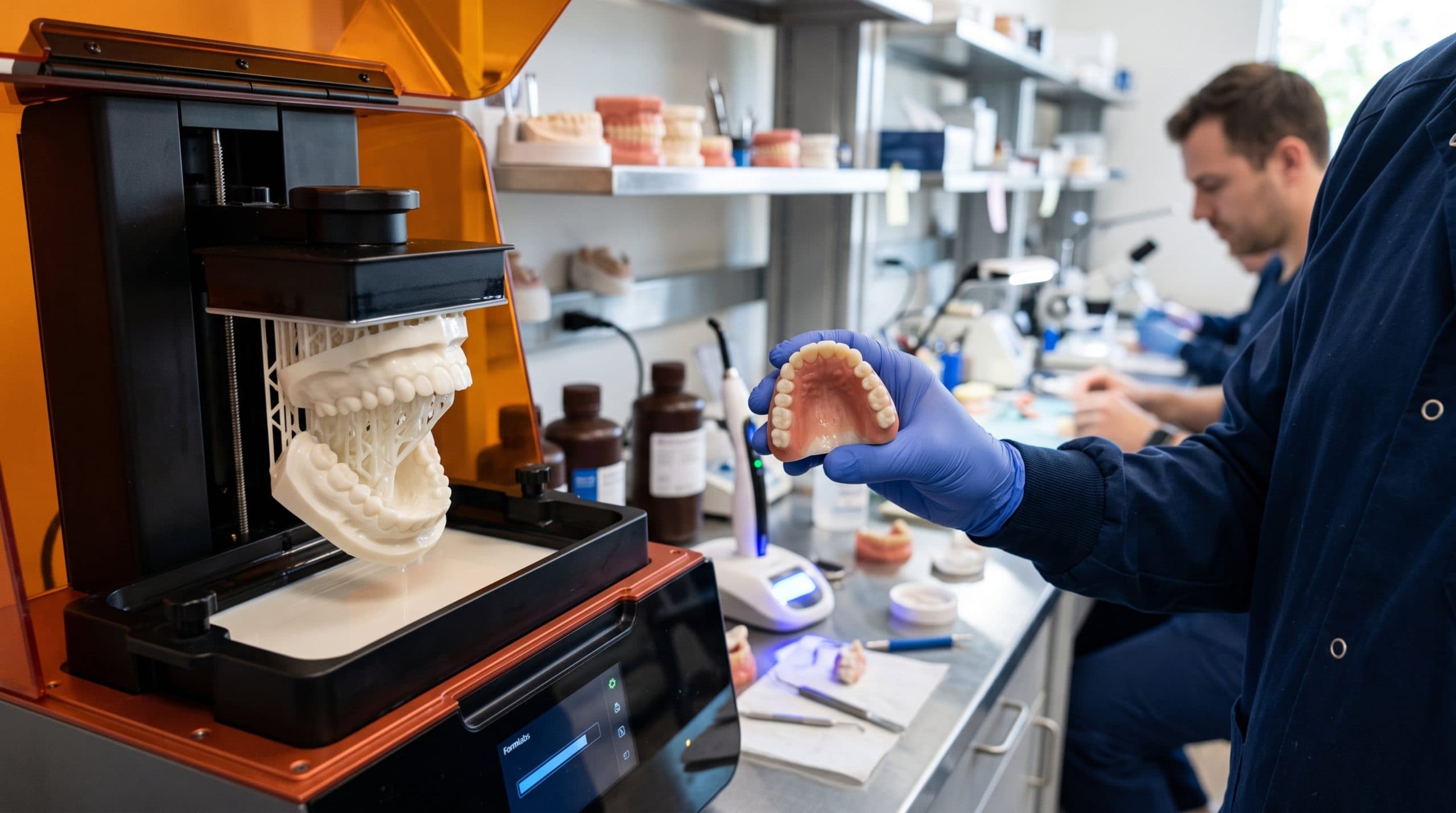
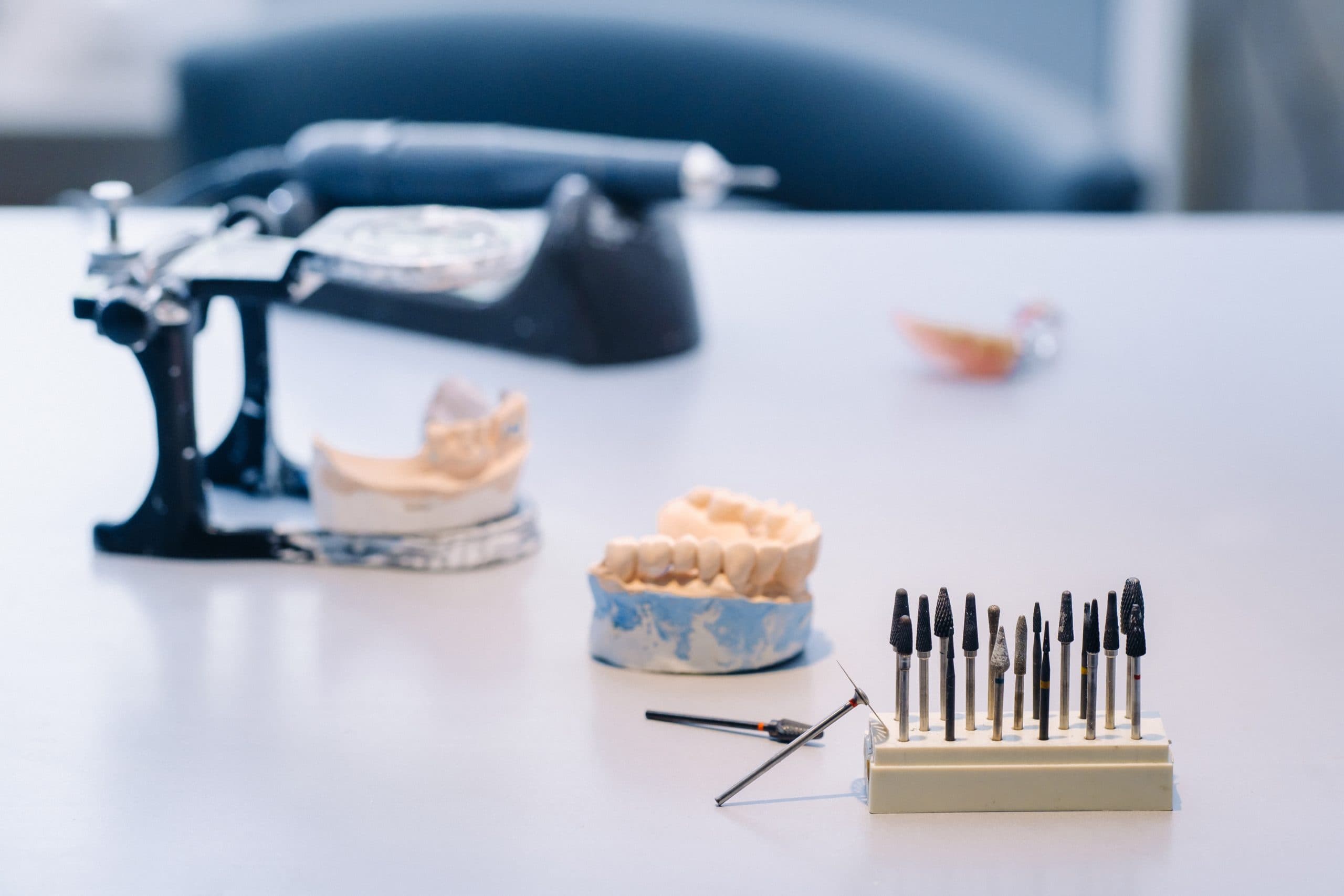
Laboratory collaboration can be valuable when the restoration requires dedicated technical time, specialized equipment, or close coordination across several treatment stages.
Demanding esthetics: A difficult single-tooth shade match, layered characterization, or detailed texture work may benefit from a ceramist’s expertise.
Complex restorative plans: Multiple units and coordinated changes to tooth form or occlusion can require additional design review and verification.
Implant restorations: Component selection, emergence profile, and restorative space may benefit from laboratory input, although compatible chairside implant workflows also exist.
Material and equipment requirements: Some restorations fall outside the practice’s available blocks, milling capabilities, or validated firing protocols.
Clinical capacity: Outsourcing fabrication can free staff and equipment for other work when the practice schedule is constrained.
For crowns and bridges, the fabrication route should follow the restoration’s design and material requirements rather than a blanket rule based only on tooth position.
Comparing the Total Cost of Each Workflow
A block price and a laboratory fee represent different portions of the production process, so comparing them alone can be misleading. Chairside costs include equipment financing or depreciation, maintenance, software, consumables, training, and the staff time required for each case.
Separate active clinical time from unattended machine time. A milling or firing cycle does not necessarily occupy the dentist for its full duration, and time saved creates additional revenue only when the practice can use that capacity productively.
Laboratory workflows also carry costs beyond the invoice, including case submission, provisionalization when needed, delivery appointments, and adjustments. Compare both approaches using the practice’s actual case volume, staffing, remake rates, and scheduling data. Neither workflow is automatically less expensive in every practice.
Building a Hybrid Crown Workflow
A hybrid approach allows a practice to complete suitable cases chairside while using laboratory fabrication when the clinical or technical requirements call for additional support. Set selection criteria around esthetic demands, material indications, available equipment, staff experience, and appointment capacity.
A clear digital case submission workflow helps communicate the scans and prescription for cases sent to the laboratory. Include the relevant shade information, photographs, occlusal requirements, and requested delivery date.
If outsourced design with in-house milling is being considered, confirm file compatibility, service availability, turnaround, and responsibility for design approval before scheduling the patient. Early technical consultation can help clarify the proposed workflow.
The Bottom Line
Same-day crowns and lab-made crowns are both part of modern restorative practice. Choose between them by asking which workflow can meet the case’s clinical requirements with the available materials, skills, and time. A well-defined selection process is more useful than assuming that faster fabrication means lower quality—or that laboratory fabrication is necessary for every demanding case.
Frequently Asked Questions
Are same-day crowns as good as lab-made crowns?
Either workflow can produce a clinically suitable crown. Outcomes depend on case selection, preparation, material choice, design, processing, and placement. Fabrication location alone does not establish quality, and neither approach is the best choice for every case.
What materials are used for same-day crowns?
Options include lithium disilicate, zirconia, and other CAD/CAM restorative materials approved for the intended use. Each product has specific milling, finishing, and processing requirements, so compatibility with the practice’s equipment must be checked.
How long does a same-day crown appointment take?
The appointment includes preparation, scanning, design, milling, any required firing, clinical evaluation, and placement. Duration varies with the material, equipment, case complexity, and adjustments. The practice should provide an estimate based on its own workflow rather than promise a universal completion time.
Do same-day crowns cost less than lab-made crowns?
Not necessarily. Practice costs depend on equipment utilization, consumables, staffing, clinical time, and remake rates, as well as laboratory fees and additional visits. The patient’s treatment fee is a separate consideration and may not directly reflect the fabrication cost.
Can same-day crowns be used for front teeth?
Yes, when the material, clinical situation, and team’s esthetic capabilities are suitable. A challenging shade match or a restoration requiring detailed layering may benefit from laboratory collaboration. The decision should reflect the individual case rather than exclude anterior teeth from chairside treatment.