

Cement Retained
Send your CaseProduct Details
Cement Retained
Send your Case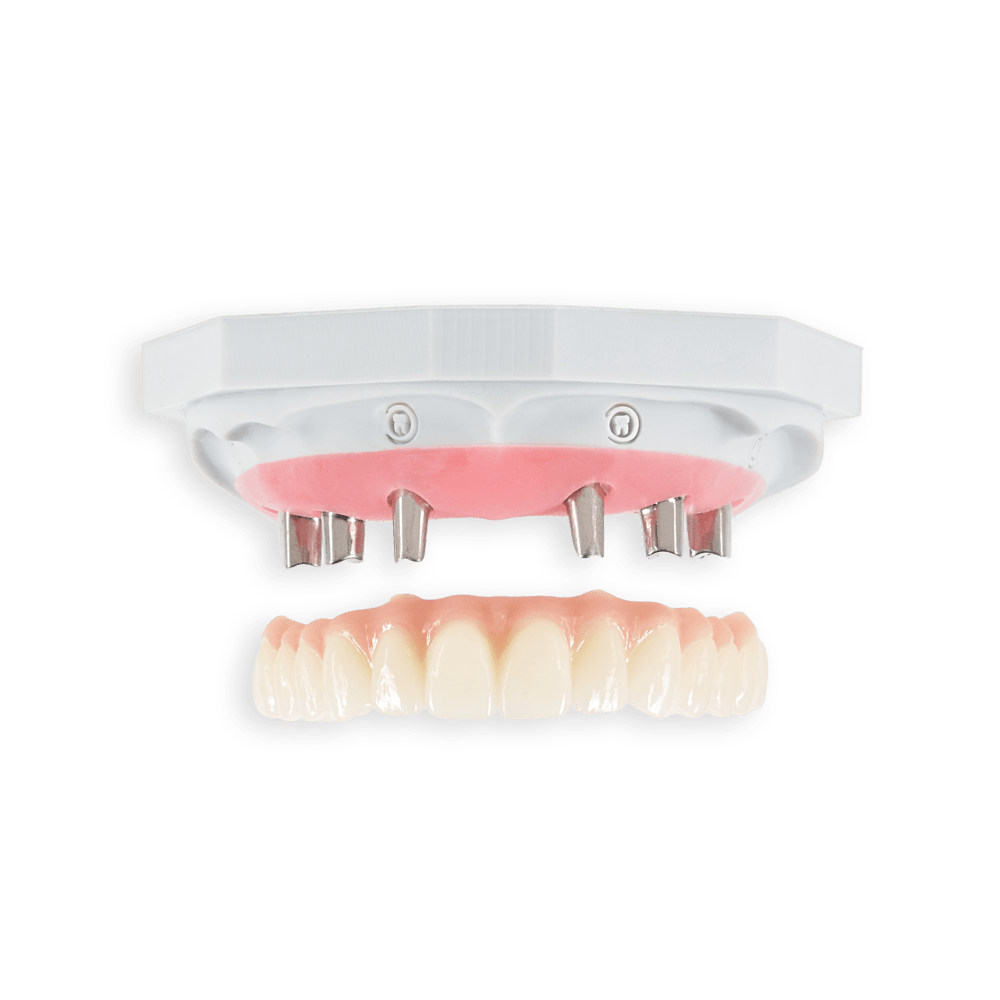
Material Flexibility
ProXzir® 4-tier zirconia, PFM (5 alloy tiers)
Four Systems, One Warranty
Zirconia, PFM, and PEEK, all under 10-year material assurance
Advanced Support
Anterior emergence and esthetic-zone planning on every smile-zone implant case
Esthetic Zone, Lab Planned
Emergence profile and esthetic-zone planning included on every smile-zone case
Flexible Timelines
Standard production windows; coordinated around abutment seating and try-in dates
Delivery Around Your Abutment
Production windows aligned to abutment seating and every try-in date
Digital Precision
All major IOS accepted; full library of implant connections and custom abutment designs. ProXzir® IDEN CERAM Certified
IDEN CERAM Certified Fit
All scanners accepted, full implant connection library, IDEN CERAM Certified




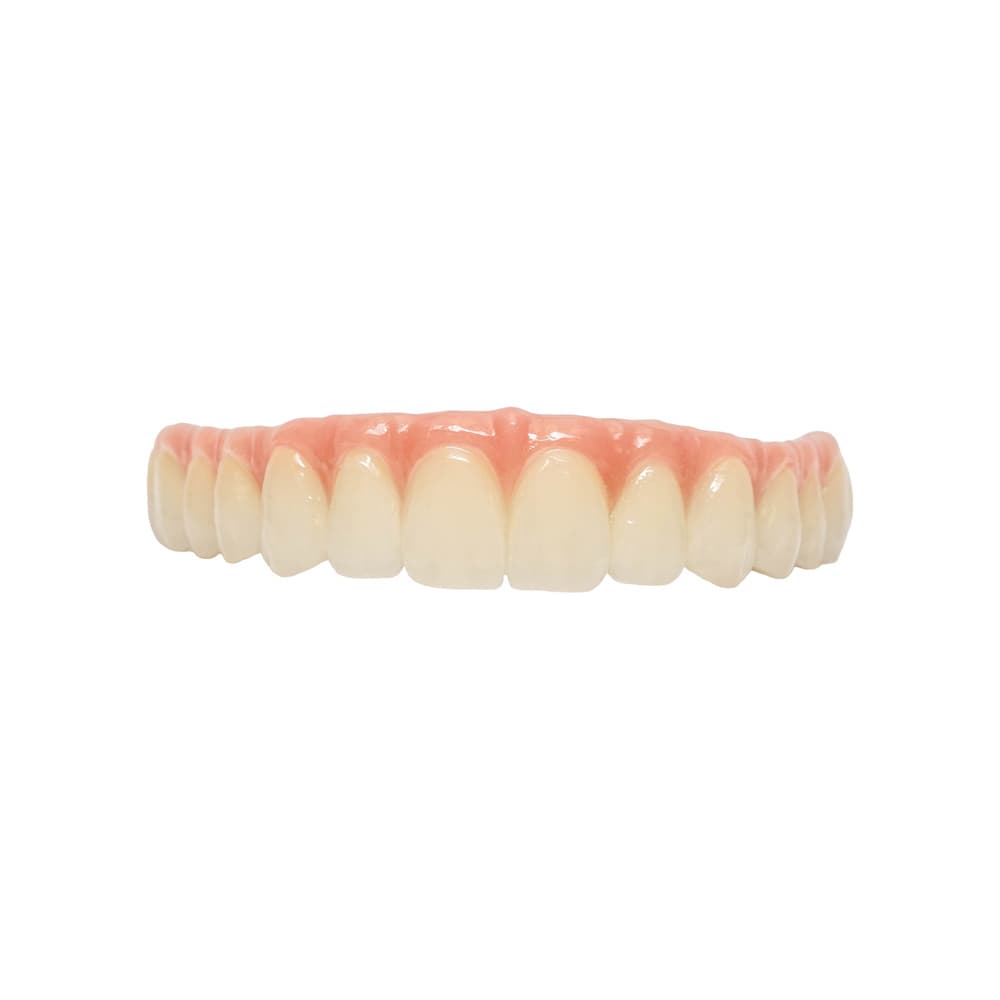
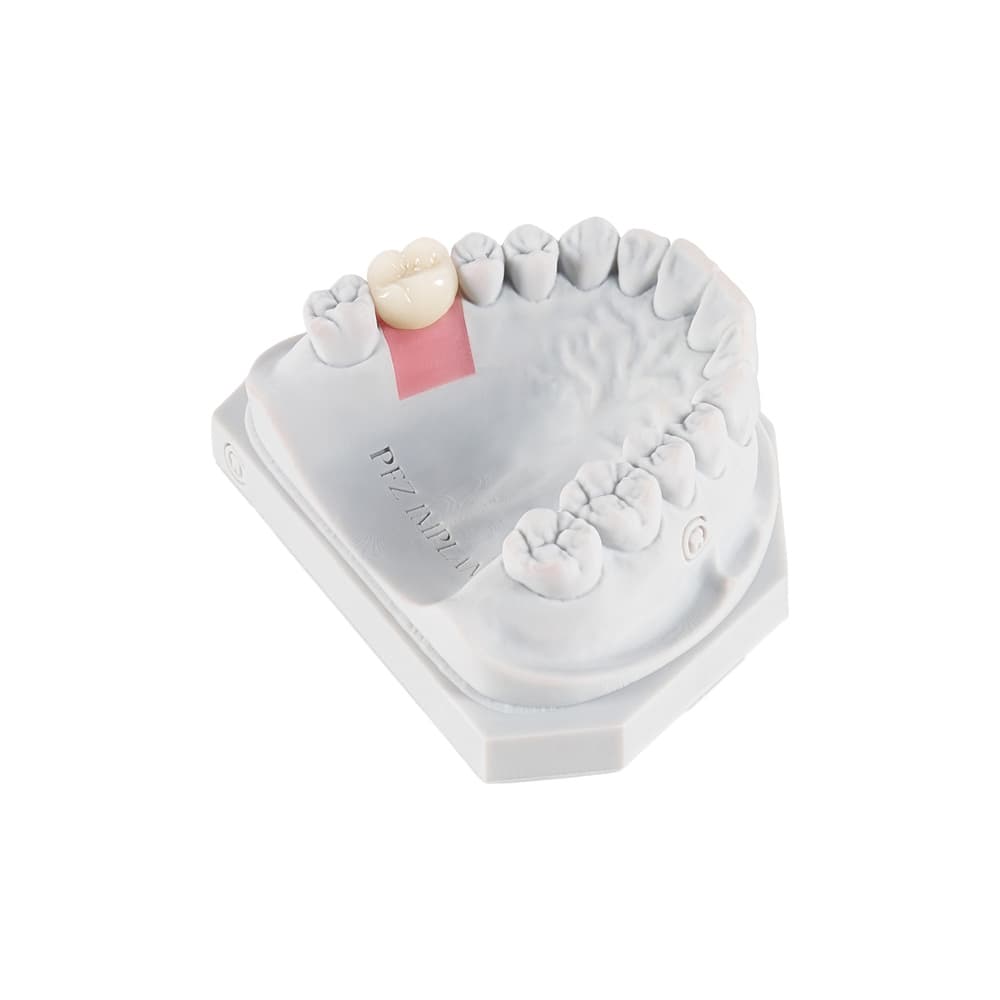
Cement-retained implant restorations engineered for natural emergence and anterior esthetics.
Best for cases where screw access angle is unfavorable and esthetics are the priority.
ProXzir® zirconia
- 4 tiers
PFM
- Hand-layered
- Argen® alloy
PEEK
Materials
Choice of Materials
Flexible material choices to ensure optimal performance and natural-looking outcomes.
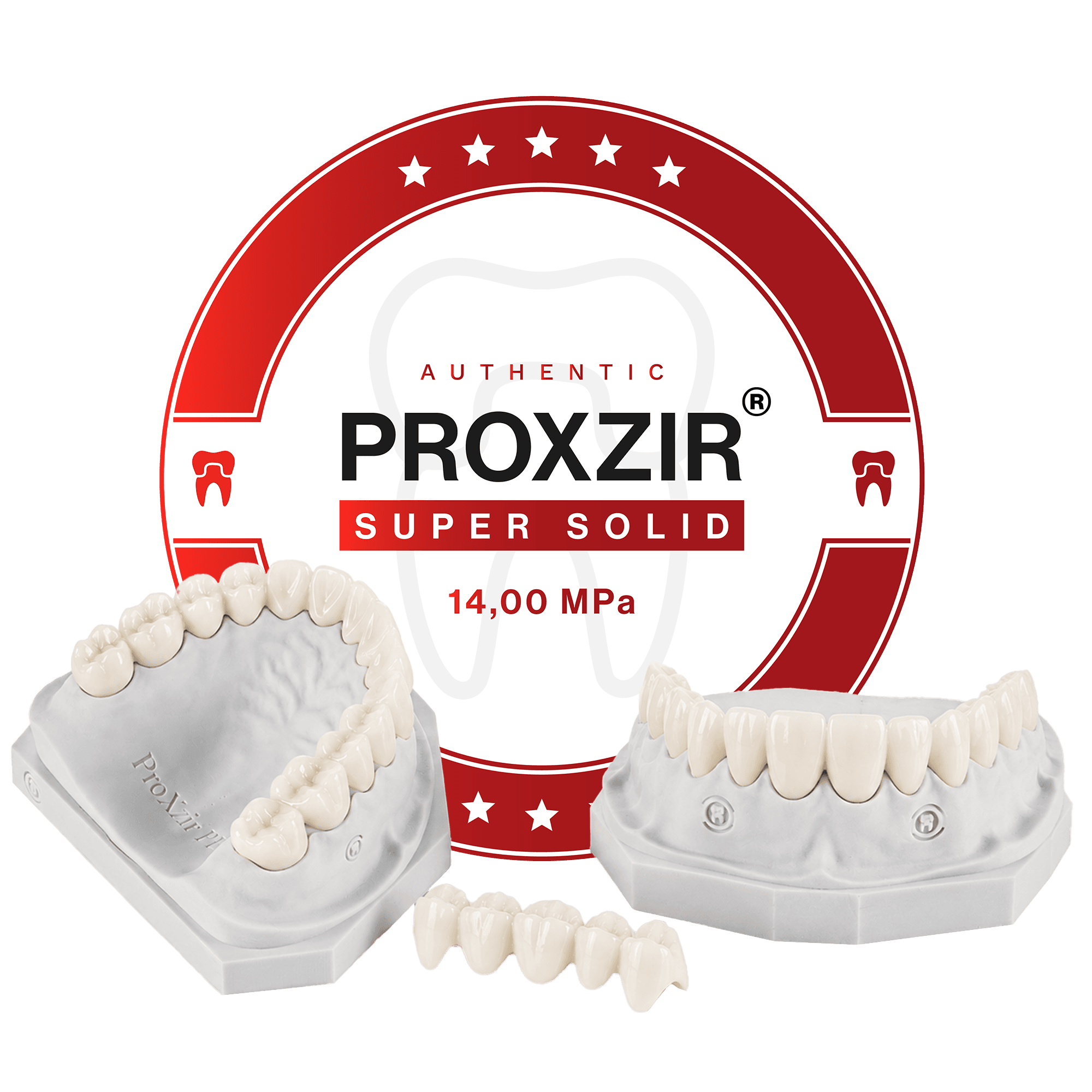
ProXzir® Super Solid (SS1400)
Monolithic 3Y zirconia at 1400 MPa, built for bruxers, posterior occlusal load, and limited clearance
- 1400 MPa Zirconia
- Bruxer-Ready
- Minimal Occlusal Reduction
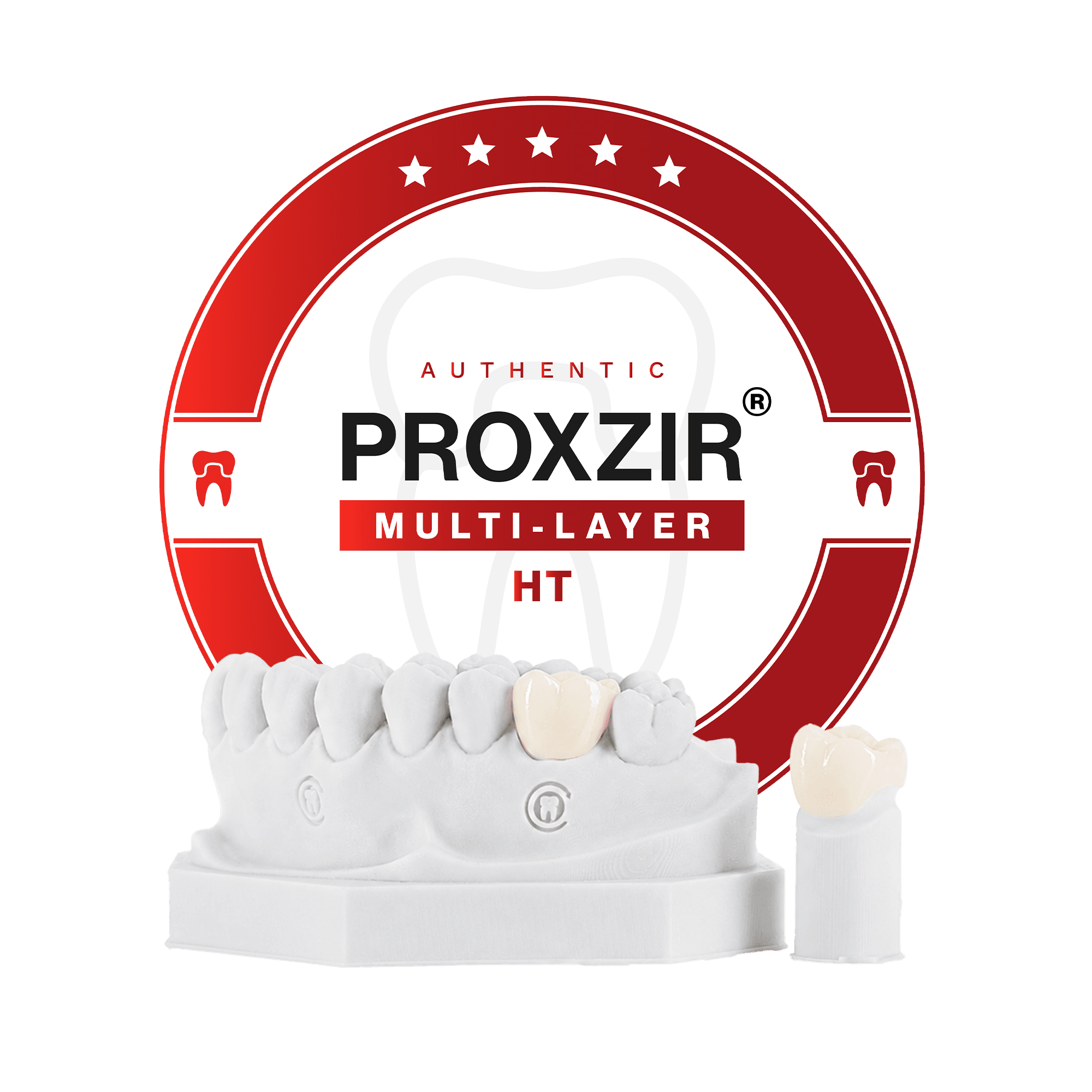
ProXzir® Super Solid Multi-Layer
Multi-layer zirconia with a built-in shade gradient, strength of monolithic, esthetics of layered. Ideal for posterior–premolar esthetic zones
- Built-in Shade Gradient
- Esthetic Strength
- Posterior–Premolar Zone
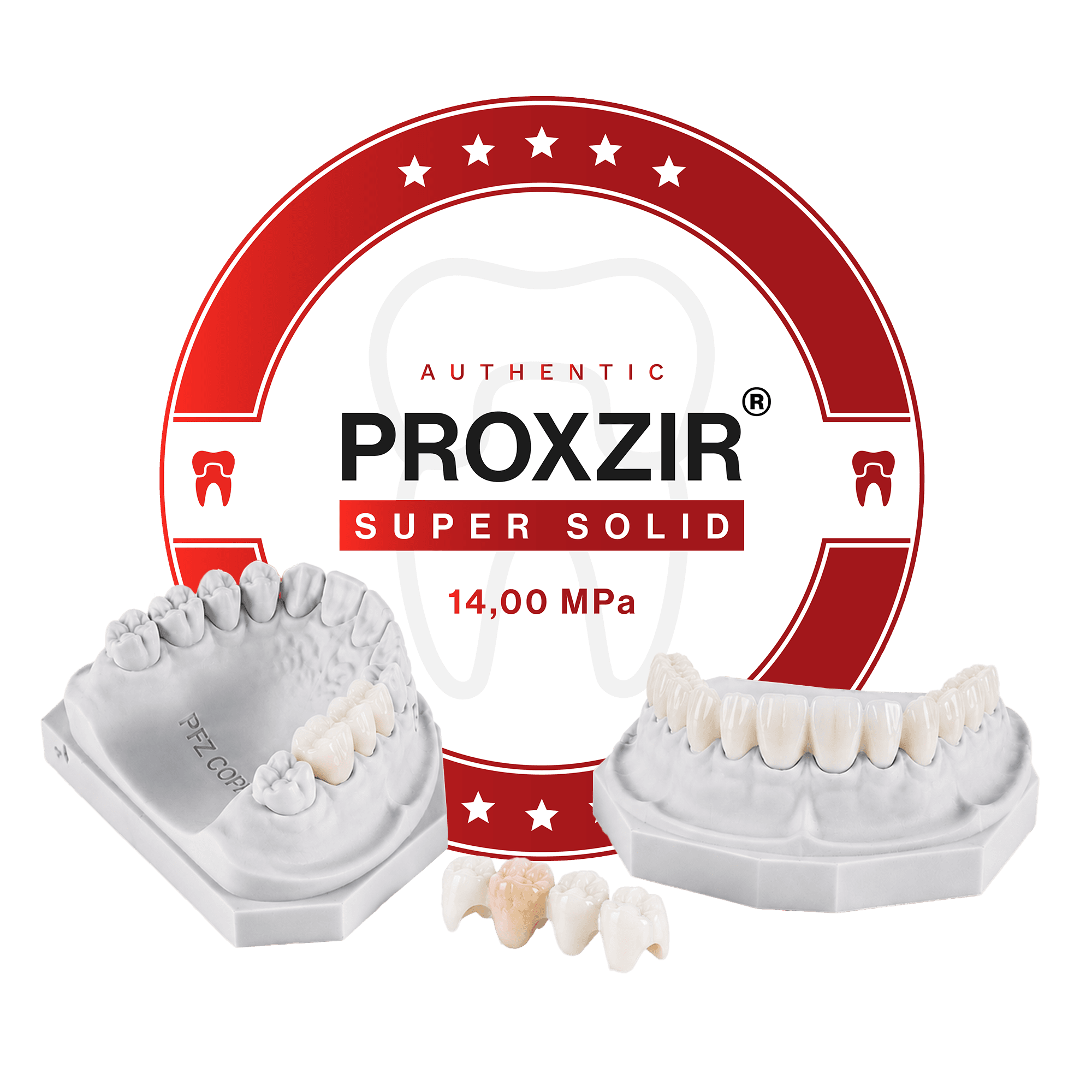
ProXzir® Porcelain-Layered
Zirconia framework with full porcelain layering, engineered for anterior crowns, high smile lines, and dark-stump masking
- Maximum Esthetics
- Dark-Stump Masking
- Anterior Smile Zone
ProXzir® Super Solid Anterior Layered
Selective facial porcelain layering on a Super Solid core, anterior esthetics with monolithic strength on the lingual
- Selective Facial Porcelain
- High Smile Lines
- Strength + Esthetics
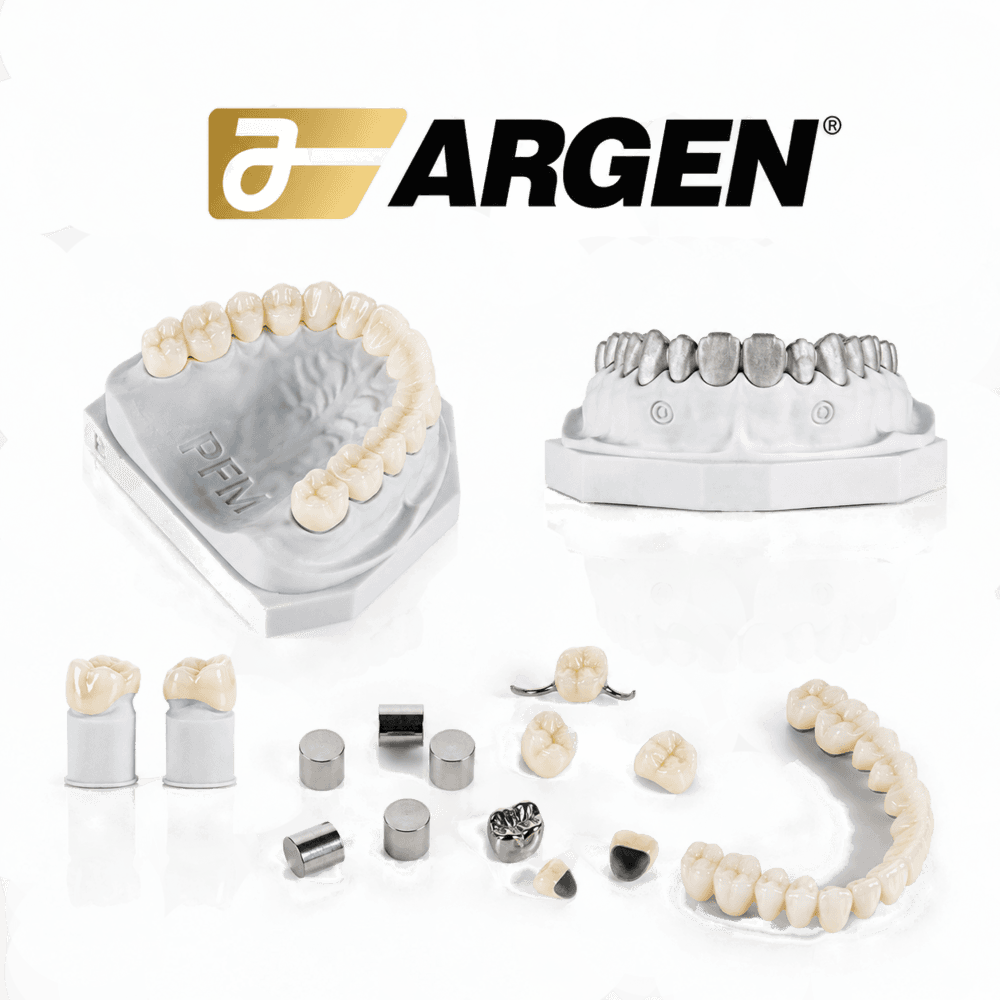
Hand-Layered PFM (Argen® alloy)
Hand-layered porcelain on Argen® alloy substructures, non-precious through high-noble and yellow gold. Proven, insurance-friendly longevity
- 4 Alloy Tiers
- Hand-Layered Porcelain
- Insurance-Friendly Longevity
Build Your Case
Start your case with precision workflows, flexible materials, and expert lab support at every step.
Where to find us
Have a question or need help with a case? Our team is ready to assist you
Have a case to discuss?
FAQ
Cement Retained Support FAQs
Find answers about product specifications, workflows, and what to expect for each case
Use a cement designed for implant work (e.g., resin-modified glass ionomer or implant-specific cements). Apply the minimum effective amount, seat fully, then meticulously remove all excess, especially subgingivally, before final cure. Excess cement is a known peri-implantitis risk.
When anterior esthetics matter and the screw access angle is unfavorable, when the implant emergence is shallow enough for safe cement cleanup, or when the patient prefers no access hole. Otherwise, screw-retained is the safer default.
Sometimes, depends on the abutment design and screw access feasibility. If you change your mind mid-case, contact your account manager and we'll adjust the prosthetic plan.