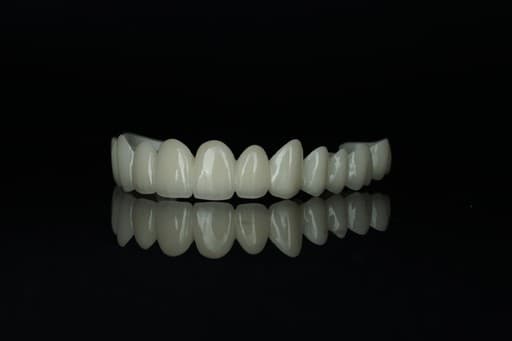
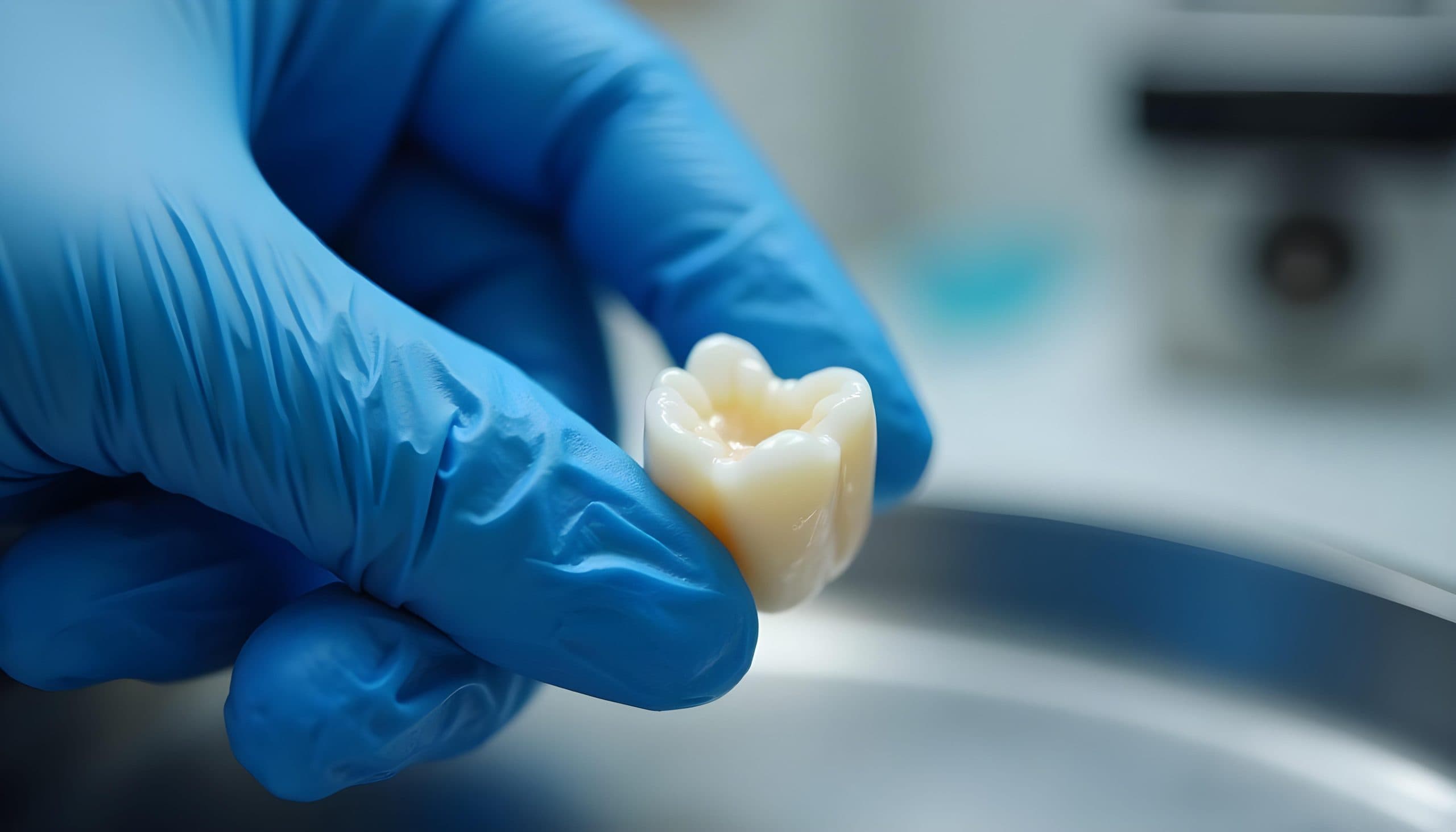
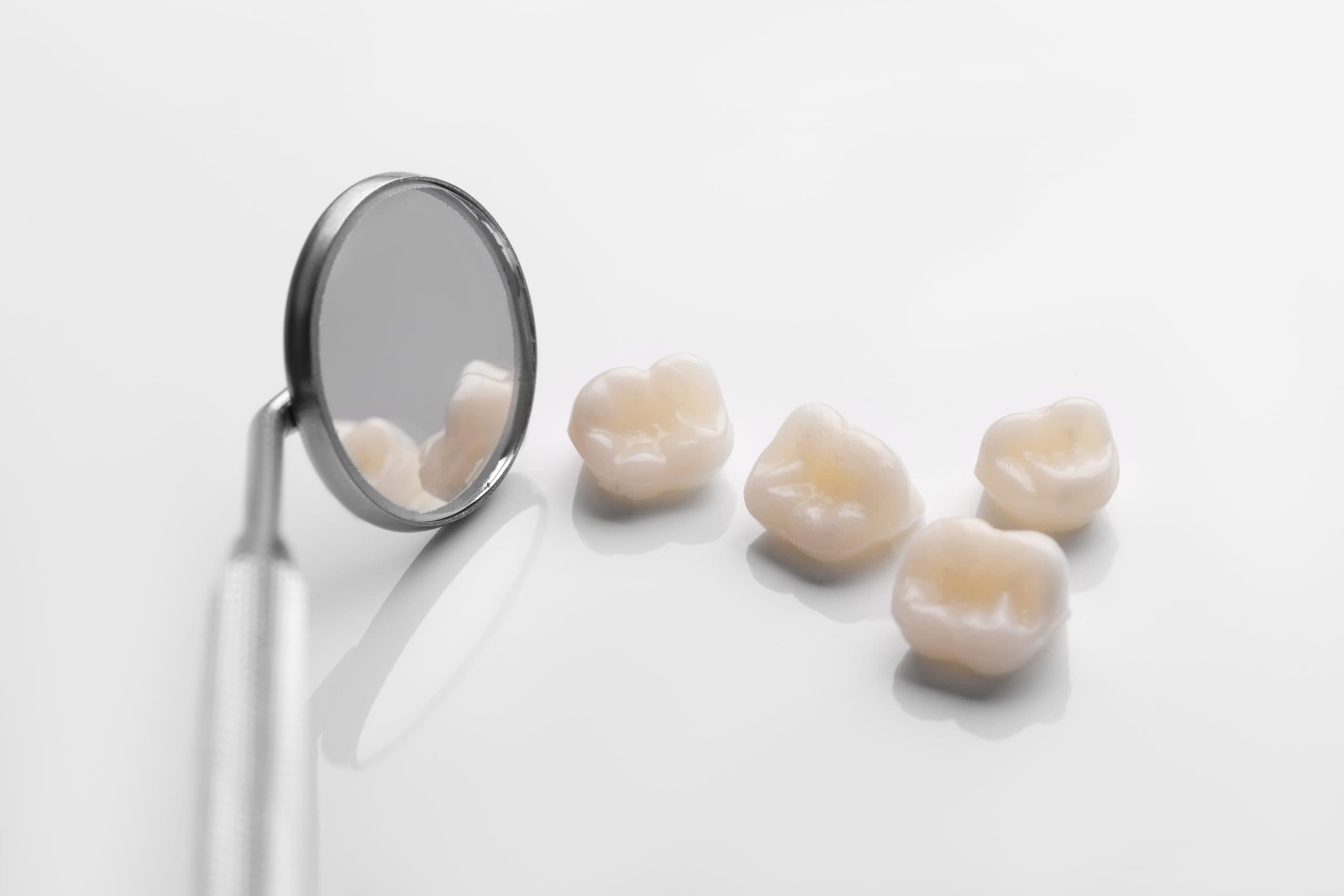
Dental bridges replace one or more missing teeth with fixed prosthetic restorations supported by natural teeth or dental implants. The four main designs are traditional, cantilever, Maryland resin-bonded, and implant-supported bridges. For dentists, successful bridge treatment depends on abutment selection, restorative materials, connector dimensions, pontic design, occlusion, and effective laboratory communication.
Key Takeaways
Traditional, cantilever, Maryland, and implant-supported dental bridges serve different clinical indications.
Zirconia, porcelain-fused-to-metal (PFM), and lithium disilicate have distinct mechanical and esthetic properties.
Connector design and span length must follow the selected material’s indications.
Pontic contours influence hygiene access, tissue health, and esthetic outcomes.
Complete impressions or digital scans and clear laboratory prescriptions support predictable fabrication.
Dental bridges remain an important treatment option in restorative dentistry, even as implant-supported restorations become increasingly common.
The decision between a bridge and an implant is not simply a matter of cost. When adjacent teeth already require crowns, a conventional bridge may provide a practical restorative solution. When neighboring teeth are healthy and implant placement is feasible, an implant-supported restoration may better preserve natural tooth structure.
Understanding the differences between bridge designs, materials, and clinical indications helps dentists select appropriate restorations while minimizing avoidable biological and mechanical complications.
Types of Dental Bridges and Their Clinical Indications
Four principal dental bridge designs are commonly used in restorative treatment. Each differs in its supporting structures, preparation requirements, and clinical limitations.
Traditional Fixed Bridge
A traditional fixed bridge replaces missing teeth using one or more pontics supported by retainers on adjacent natural teeth.
This design is particularly relevant when neighboring teeth already require full-coverage restorations.
Successful treatment depends on abutment condition, periodontal support, available restorative space, and occlusal loading. Modern traditional bridges may use monolithic zirconia, layered zirconia, or porcelain-fused-to-metal frameworks.
Cantilever Bridge
A cantilever bridge is supported on only one side of the edentulous space.
This design may be appropriate for selected anterior or short-span applications where adequate support and favorable occlusal conditions are present.
Because cantilever designs introduce additional leverage, careful consideration of abutment support, connector dimensions, and functional loading is essential.
Maryland Resin-Bonded Bridge
A Maryland bridge uses an artificial tooth supported by bonded retainers attached to adjacent teeth.
Compared with conventional full-coverage bridges, resin-bonded designs generally preserve more natural tooth structure.
They are frequently considered for selected anterior single-tooth replacements, including missing lateral incisors.
A systematic review of resin-bonded fixed dental prostheses reported favorable survival outcomes for single-retainer designs compared with multiple-retainer designs, although clinical outcomes depend on the design, material, and bonding protocol.
Implant-Supported Bridge
An implant-supported dental bridge replaces multiple missing teeth using dental implants rather than natural teeth as its primary support.
These restorations can preserve adjacent natural teeth by avoiding conventional crown preparation.
However, implant position, bone availability, prosthetic space, occlusal loading, hygiene access, and maintenance requirements must all be considered during planning.
How to Choose the Right Dental Bridge
Selecting a bridge design requires a comprehensive assessment of the supporting structures and the intended restoration.
Several factors influence the clinical decision.
Abutment condition: Heavily restored teeth may benefit from conventional retainers, whereas intact neighboring teeth may favor more conservative options.
Periodontal support: Tooth mobility, attachment levels, and supporting bone affect the suitability of tooth-supported restorations.
Edentulous span: Longer spans can create greater mechanical demands on supporting structures and connectors.
Occlusal loading: Bruxism, opposing restorations, and functional contacts influence material and framework selection.
Esthetic requirements: Anterior restorations may require additional attention to translucency, emergence profile, and soft tissue contours.
Patient considerations: Treatment time, surgical suitability, hygiene capability, financial preferences, and long-term maintenance also affect the final recommendation.
No single bridge design is appropriate for every patient. Clinical judgment and material-specific indications should guide treatment planning.
Dental Bridge Materials and Span Limits
Dental bridge materials differ in strength, translucency, processing requirements, and clinical indications.
The most appropriate material depends on the proposed bridge design, restorative space, occlusion, and esthetic expectations.
Zirconia Dental Bridges
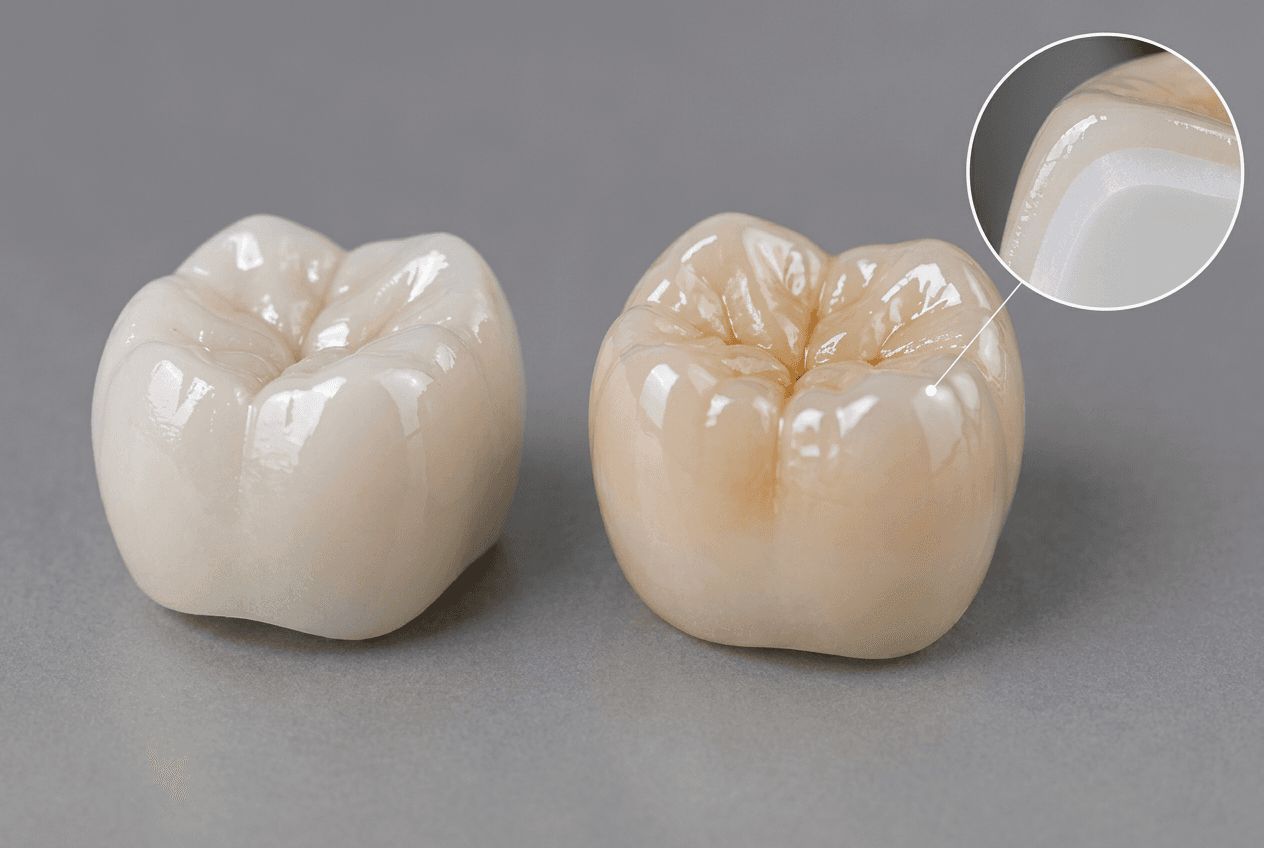
Zirconia is widely used in fixed restorative dentistry because it combines favorable mechanical properties with metal-free esthetics.
Monolithic zirconia eliminates the separate veneering porcelain layer and may reduce certain chipping-related complications. Layered zirconia can provide additional esthetic characterization but introduces the possibility of veneering ceramic complications.
Different zirconia formulations are not interchangeable. Strength, translucency, and supported bridge spans vary by material system.
For example, Dentallab’s ProXzir zirconia restorations include monolithic and porcelain-layered options developed for different functional and esthetic requirements.
Porcelain-Fused-to-Metal Bridges
Porcelain-fused-to-metal bridges combine a metal framework with esthetic porcelain.
PFM remains an established option where the mechanical properties of a metal framework and the appearance of porcelain are clinically appropriate.
Framework alloy, connector design, restorative clearance, and metal-ceramic compatibility should be considered.
Porcelain chipping, esthetic limitations around metal margins, and tissue-related considerations can influence material selection.
Lithium Disilicate Bridges
Lithium disilicate ceramics are valued for their esthetic properties and can be suitable for selected short-span restorations.
However, not every lithium disilicate product supports the same bridge indications.
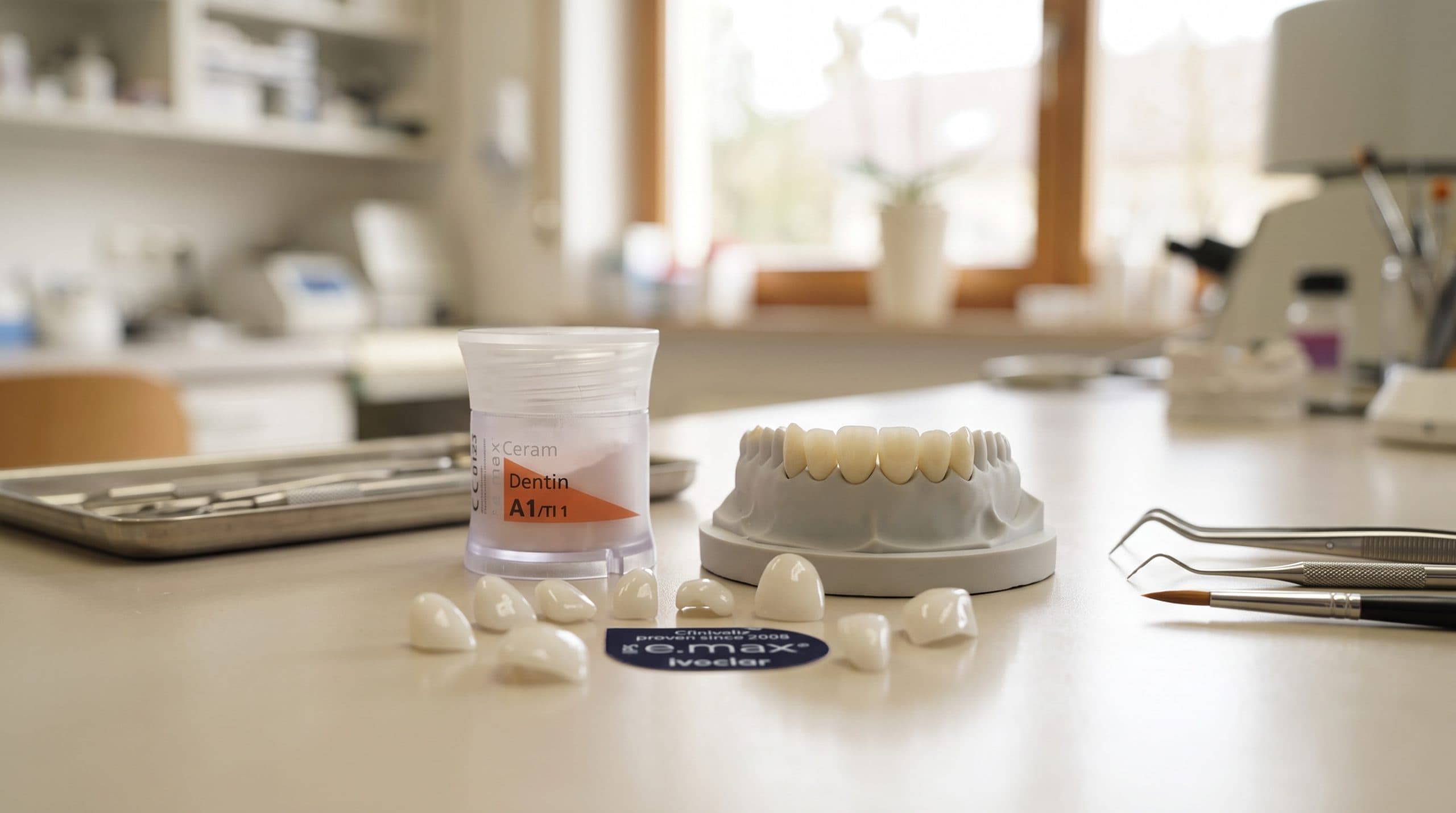
For example, the manufacturer’s IPS e.max Press indications include selected three-unit bridges with the second premolar as the most distal abutment.
Preparation design, connector dimensions, and restorative span must follow the specific system’s current technical instructions.
Connector Dimensions and Framework Design
Connector dimensions are essential to dental bridge performance, particularly in ceramic restorations.
Insufficient connector height or cross-sectional area may increase fracture risk under functional loading.
However, a universal connector dimension should not be applied to every bridge.
Requirements depend on the selected material, connector position, span length, and manufacturer specifications.
Longer bridges generally introduce greater mechanical demands. Careful design evaluation is particularly important for posterior spans, cantilever restorations, and cases involving substantial occlusal loading.
Dentists should evaluate these requirements alongside other available restorative materials before finalizing the prescription.
Pontic Design and Oral Hygiene
Pontic design influences the appearance, hygiene accessibility, and tissue response of a dental bridge.
The appropriate pontic shape depends on the edentulous ridge, restoration location, and patient hygiene capability.
Modified Ridge-Lap Pontic
The modified ridge-lap design combines an esthetic facial contour with a cleansable tissue-facing surface.
It is frequently used where a natural appearance is required without creating excessive tissue contact.
Ovate Pontic
An ovate pontic can create a natural-looking emergence profile, particularly in the anterior region.
However, it requires appropriate soft tissue architecture and may involve ridge preservation or tissue development.
Sanitary Pontic
A sanitary or hygienic pontic maintains clearance above the edentulous ridge.
This design can simplify cleaning and may be appropriate for selected posterior restorations where esthetics are less critical.
Regardless of the selected design, patients must be able to clean around the pontic and retainers effectively.
Dental Bridge vs. Implant: Which Is Better?
Dental bridges and dental implants have different clinical advantages.
A conventional bridge may be appropriate when adjacent teeth already need crowns, implant surgery is unsuitable, or the treatment plan favors a tooth-supported restoration.
Implant-supported restorations may offer advantages when adjacent teeth are intact and implant placement is clinically feasible.
However, implants introduce surgical, biological, and prosthetic considerations, while conventional bridges depend on the long-term condition of their supporting teeth.
The best option depends on individual clinical circumstances rather than a universal preference for either treatment.
Common Causes of Dental Bridge Failure
Dental bridge complications may involve biological problems, mechanical failures, or a combination of both.
Common complications include:
Secondary caries affecting abutment teeth.
Periodontal deterioration or loss of supporting structures.
Loss of retention or adhesive debonding.
Framework or connector fracture.
Veneering ceramic chipping.
Excessive occlusal loading.
Inadequate hygiene beneath the pontic.
The long-term performance of fixed dental prostheses also varies by framework material and restoration design.
Appropriate preparation, material selection, clinical maintenance, and communication with the dental laboratory can help address avoidable complications.
What Dental Bridges Cost a Dental Practice
Laboratory pricing for dental bridges depends on material selection, the number of units, restoration design, and required components.
Conventional bridges are commonly priced per unit, with retainers and pontics included in the total unit count.
A three-unit bridge, for example, typically includes two retainers and one pontic. The laboratory charge depends on the agreed fee for each unit and any additional services.
Implant-supported bridges may require separate prosthetic components, implant interfaces, and customized abutments.
When evaluating laboratory costs, dental practices should consider turnaround time, technical support, quality-control processes, and remake policies alongside the initial price.
Published price ranges should not replace the laboratory’s current fee schedule.
What the Dental Lab Needs From You
Clear clinical records and complete prescription information are essential for dental bridge fabrication.
Incomplete preparations, inaccurate bite records, or missing design instructions may require additional communication before production can proceed.
Dental Bridge Case Submission Checklist
A complete bridge submission should include:
Accurate digital scans or conventional impressions.
Clearly captured preparation margins.
The edentulous ridge and adjacent structures.
Opposing arch records.
Accurate interocclusal registration.
Tooth numbers and bridge configuration.
Material selection and restoration type.
Pontic design instructions.
Shade information and relevant photographs.
Occlusal and functional considerations.
For complex restorations, dentists may also provide additional clinical photographs, provisional restoration details, or special framework instructions.
Dentallab’s case submission workflow supports both digital impressions and conventional submissions, allowing practices to coordinate restorative cases through established laboratory processes.
Final Thoughts
Dental bridges continue to play a valuable role in modern restorative dentistry.
Successful treatment depends on selecting the appropriate design, evaluating the supporting structures, understanding material-specific limitations, and planning pontic contours for both esthetics and hygiene.
For dentists, reliable laboratory communication is just as important as restorative material selection. Accurate records and clear prescriptions help align clinical expectations with fabrication requirements.
Dentallab.com provides fixed restorative solutions, including crowns and bridges, for dental practices nationwide.
Try your first case with us and get $150 OFF. Claim your credit at Dentallab.com.
Frequently Asked Questions About Dental Bridges
What are the four main types of dental bridges?
Traditional, cantilever, Maryland resin-bonded, and implant-supported bridges are the four main designs. Each uses a different support configuration and has distinct clinical indications.
How long do dental bridges last?
Longevity varies according to restoration design, material, abutment health, occlusal loading, oral hygiene, and clinical maintenance. Survival statistics should be interpreted according to the specific bridge type and follow-up period.
What material is best for a dental bridge?
There is no universally best material. Zirconia, porcelain-fused-to-metal, and lithium disilicate have different advantages and limitations. The appropriate choice depends on the clinical indication, loading conditions, and restorative design.
Can zirconia bridges replace multiple missing teeth?
Yes, selected zirconia systems support multi-unit bridges. The permitted span and connector requirements depend on the specific material and manufacturer’s technical guidance.
What is the difference between a Maryland bridge and a traditional bridge?
Traditional bridges generally use crown retainers on supporting teeth. Maryland bridges use bonded retainers and often require less preparation of adjacent tooth structure.
What is a pontic in a dental bridge?
A pontic is the artificial tooth that replaces a missing tooth within a bridge. Pontic design influences appearance, tissue contact, and hygiene access.
Why do dental bridges fail?
Common causes include caries, periodontal complications, loss of retention, connector fracture, ceramic chipping, excessive occlusal loading, and insufficient hygiene.
How should dentists submit a bridge case to the lab?
A complete submission should include accurate impressions or digital scans, bite records, tooth numbers, material selection, pontic instructions, shade information, and relevant clinical notes.
Can a chipped dental bridge be repaired?
Minor ceramic chips may sometimes be polished or repaired intraorally, depending on the restoration. More extensive structural damage may require replacement following clinical assessment.